Table of Content
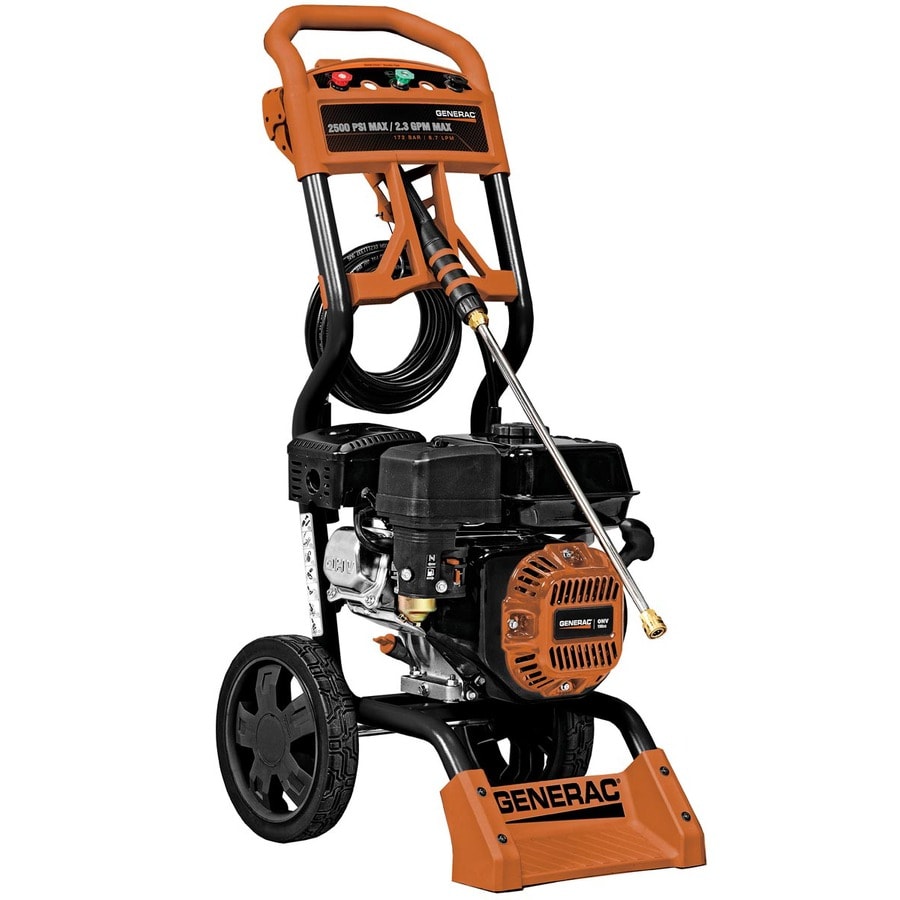
- CleanFreak® #CF2532K Medium-Duty 6.5 HP Pressure Washer (Gas) - 3,200 PSI
- How do I get high pressure in my shower head?
- Home Water Pressure & Water Filters Guide
- Leaking Pipes
- What to Look for in a Water Filter to Maintain Adequate Home Water Pressure
- What Is The Pressure Per Square Inch (PSI) Of Natural Gas In A Home?
- What Causes High Water Pressure
Even if your water pressure itself hasn’t dropped, scale can affect the flow of water through your pipes, creating friction and dragging the water back. There are several factors that can affect your home’s water pressure, including leaking pipes, scale build-up, a failed pressure regulator, and more. Good water pressure is something most homeowners take for granted. There's nothing worse than coming home from a hard day at work, looking forward to a nice shower, only to be met by trickling water due to low pressure. On the other hand, excessively high pressure can be a source of great stress and frustration.

On average, natural gas is being delivered to your home at ¼ pound per square inch. Another way to measure it is in inches per water column, notated as i.w.c. Homes often have a natural gas level of 7 i.w.c. Natural gas is transported at the beginning of its journey at high pressures through long pipelines that connect the supplier to sub-stations. From there, the gas is processed through many steps before being moved to residential users at a lower pressure level. Richard Epstein is a licensed master plumber with over 40 years experience in residential and commercial plumbing.
CleanFreak® #CF2532K Medium-Duty 6.5 HP Pressure Washer (Gas) - 3,200 PSI
High pressure can cause underground water leaks that may require leak detection or water line pipe replacement or repair. Most emergency leaks typically have high water pressure caused by failed regulators or no thermal expansion relief device. High water pressure can cause leaky pipes, pipes to explode, leaky fixtures and premature failure of faucets and fixtures.
A service line not properly sized for the home's needs can also affect the final pressure at the tap. The pressurized water moves from the tank to the water mains that feed the community. Depending on the circumstances of the area, booster stations may be located throughout, which use pumps to maintain pressure in the distribution system. In areas where pressure becomes too high, pressure reducing stations transfer high-pressure water to low-pressure areas, maintaining manageable levels throughout the system.
How do I get high pressure in my shower head?
It should cost you about $10 to measure the water pressure in your house, which you use to buy a pressure gauge if you do not already have one. In some instances, you don’t even need to measure the pressure; you just have to check it. After water passes through the meter to your property, it goes through the pressure reducing valve which reduces the incoming pressure to the preferred pressure. If the water pressure has been set too low, the resultant pressure in your house will be low as well. If the water pressure in your house is too high, consider adjusting it at the pressure reducing valve or installing one if you do not already have one. If you are using water from a well, water pressure is adjusted from the pressure switch which is adjacent to the pressure tank.
Before testing the pressure, make sure that you don’t have any other water-consuming appliances running. When you turn on the source of water, remember, you’re looking for somewhere between 45 and 65 psi. If the pressure reading is on the lower or higher side, you can turn off your water source, then try again. If you are getting around the same number each time, you likely have a problem.
Home Water Pressure & Water Filters Guide
This faucet has the highest pressure and will tell you if any pressure issues are in your home or originate in the municipal lines. Larger homes require a higher incoming pressure rating than small homes, as water will slow down slightly each time it encounters a bend in the pipes. However, if your home’s square footage is larger than the average house square footage in the US (just over 1,300 sq. feet), then it won’t be classed as a “standard” household. You might need to reconfigure your water pressure to up to 75 PSI if your flow rate is low. I would recommend consulting an expert before increasing your water pressure to stay on the safe side. Aside from your family size, the square footage of your house can affect your water pressure, and the flow rate of water in gallons per minute.
The cause could be a problem with your water pressure regulator or your thermal expansion relief device. It could also that the location of your home (if it's at the bottom of a hill) plays a part in the water pressure levels. But even worse, there is the potential for bigger, longer-term trouble, damage and expense. High water pressure can result in unnecessary wear and tear to your homes’ pipes and can even cause significant leaks. These major water leaks can damage floors, ceilings and walls, not to mention any furniture or artwork in your home that could also be harmed or destroyed in a flood. These leaks are also capable of causing mold damage to your home.
She owned and operated a luxury remodeling firm overseeing the design and construction of large-scale additions, kitchen and bathroom remodels, and custom furniture building. Erika consults on operations and marketing for residential firms, from HVAC and other service companies to new home builders. This means that more energy is able to be transferred from the exhaust gases to the turbine, which allows for greater boost pressure. Additionally, a rear mount turbo can be tucked away from the chassis in order to reduce the risk of engine bay heat soak and overall thermal stress on the entire system.

To determine the water pressure in your house, connect a pressure gauge to the outside faucet spigot/bib and turn on the water. You can also connect it to the water heater’s drain valve to check the pressure of the hot water. It is best to check the pressure when no appliance or faucet is running. Lastly, improper plumbing installation can affect water pressure, either due to the pipes being too narrow or the water flow not being properly balanced. All of these issues can lead to noticeable reductions in water pressure when showering, resulting in low pressure shower heads. The primary issue with water pressure that is too high is the potential for pipes and fixtures to be damaged.
A minimum flow of 6 GPM is recommended for most standard households. For most people, this GPM will be high enough to meet water usage requirements, even when water is in peak demand. However, the exact GPM for your household will depend on your home water usage, and whether you plan to use appliances that may slow down your flow rate. Not all homes have a regulator for water pressure, but if yours does, and you’ve noticed that your water pressure has suddenly dropped, it’s worth checking that everything is in order.
Be sure to check the shower head periodically to make sure the disk does not become clogged with debris and build-up. Once the shower head is cleared of any blockages, the next step is to clean your entire shower and shower head pipes. Make sure to shut off the water to your shower before you start cleaning. Check all the shower head pipes, fixtures, valves, and diverters for any debris, grime, or buildup.
Go to the water main and slowly turn the main water valve back on. You may want to run a faucet for a few seconds to clear any air out of the system. If you do not feel comfortable with performing complex plumbing and electrical tasks, it is highly recommended that you hire a qualified professional to install your power shower. As water passes through the metal disc, it is forced through the small holes creating an air-and-water mixture that travels out of the shower head in an aerated spray. This aerated spray provides a higher pressure shower that feels like higher pressure without actually using any more water than a traditional shower head. Water pressure that is too low can also be a problem, so it is important to make sure it is at the proper level.
In fact, these are often required by code for pressures beyond 80 psi. These devices do exactly what they say, reducing pressures of up to 400 psi down to a reasonable level of your choosing . Depending on the underlying cause, you may need to replace your pipes in order to fix problems with functional flow. Locate the water main and slowly turn the shut-off valve to the off position.
If your home happens to be near a fire hydrant or tall buildings you may have water pressure issues because cities and towns normally keep the pressure higher in these areas. If you happen to live at the bottom of a hill gravity may be causing or contributing to your high water pressure problems. After all, you don't want it to be too low or too high so getting it just right will lengthen the lifespan of your water pipes and your appliances. When customer is experienceing low water pressure, their fixtures do not perform well. Washing, showering, cleaning etc are unpleasant, annoying or more difficult.
If you do not already have one installed, it may be time to call the pros. It is an inexpensive and easy job for a trained plumber but may require adjusting the height of the water main and other advanced tasks. Next, loosen the locking nut on the water pressure regulator by turning it counter-clockwise. Then turn the adjusting screw counter-clockwise to reduce the water pressure. Turn the faucet all the way, and then read the pressure on the gauge's dial.


No comments:
Post a Comment